 FishCast AI
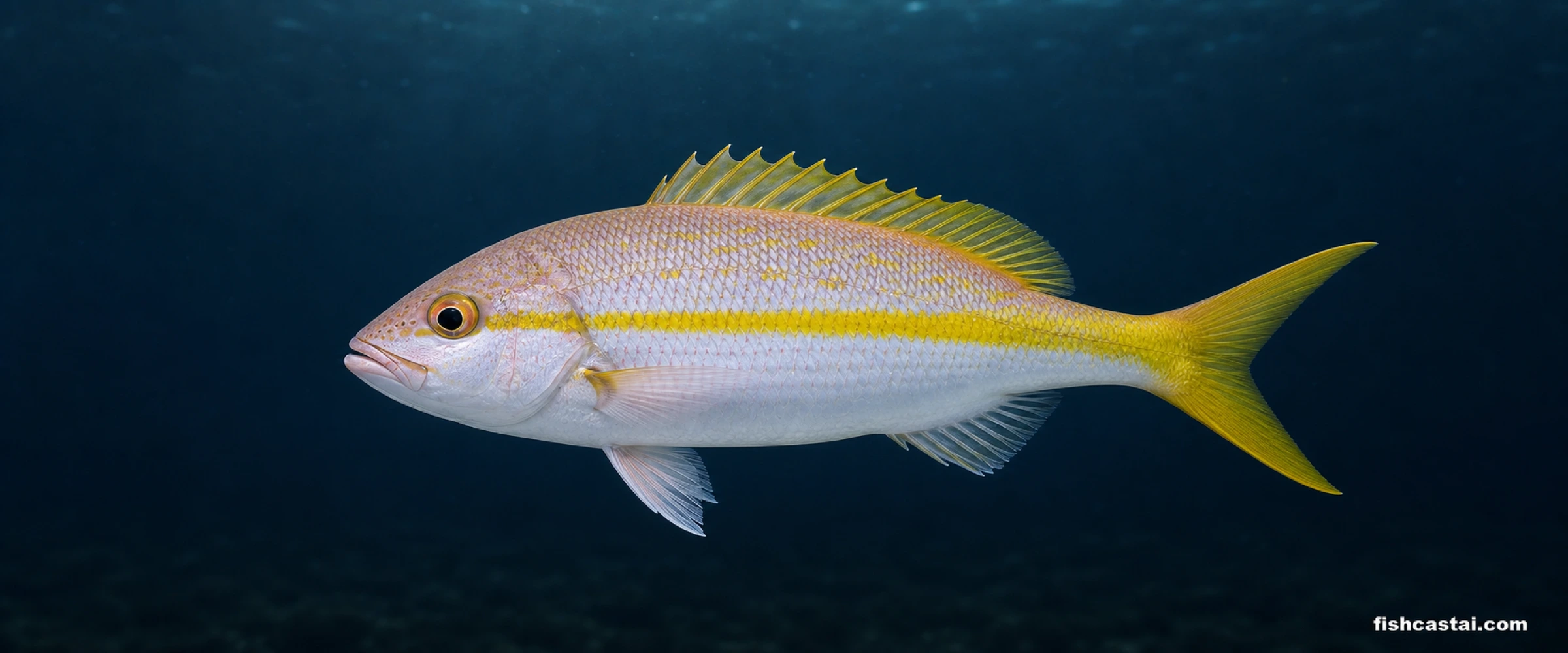
Yellowtail Snapper
Ocyurus chrysurus
Also known as: yellowtail snapper, yellowtail, flags
Build a clean chum line over clear reef structure and match it with tiny natural baits on light leaders. Yellowtail usually bite best when the bait drifts naturally above the reef instead of dropping straight through it.
Max Length
86cm
Typical trophy size
Max Weight
4.1kg
Record class
Water Temp
73–86°F
Preferred range
Difficulty
3/5
Skill level
How to catch Yellowtail Snapper
Best timing
Fish clear warm-water days with manageable current, especially from late spring into early fall when reef activity and spawning-season feeding are strongest.
Clear water · warm season · daylight reef bite · manageable current
Best methods
Use a steady chum slick, light fluorocarbon leaders, and tiny shrimp, squid, pilchard, or jig presentations fed back across patch reefs and outer reef edges.
Chum slick · light leader · small bait · reef edge
Best presentation
Let the bait sink naturally with the chum line and add only enough weight to keep it in the same depth band as the feeding fish.
Natural drift · slow sink · match the slick · minimal weight
Where they hold
Focus on patch reefs, coral edges, rubble, ledges, and current-swept reef faces in clear tropical water with a visible chum lane.
Patch reef · coral edge · rubble · current lane
Where to fish for Yellowtail Snapper
Use state guides to narrow the pattern before checking forecast conditions.
The Florida Keys are the center of the yellowtail snapper fishery, where patch reefs and outer reef edges produce steady chum-line fishing most of the year.
The Keys pattern is defined by clear reef water, long anchor sets, and small baits drifting back through a controlled chum slick. Fish often suspend off the reef face instead of hugging bottom, which makes sink rate and leader size more important here than brute tackle.
View state guideMiami-to-Key Largo reef water offers a strong day-trip yellowtail snapper pattern built around clear-water chumming on the outer reef line.
South Florida fish often hold on reef edges closer to major inlets and marina launches than Keys visitors expect. The bite can be fast when current is right, but urban boat traffic and variable water color make timing and positioning more important than simply finding reef numbers.
View state guideThe Dry Tortugas offer a lower-pressure yellowtail snapper fishery where outer reef edges and deeper coral structure hold larger average fish.
Compared with the main Keys reef line, Tortugas fish often see less daily pressure and set up on bigger coral and hard-bottom features. The same chum-and-drift system works, but longer runs and open-water exposure mean weather and current planning are part of the pattern.
View state guideDistribution
Seasonal behavior
Seasonal movement
Yellowtail snapper hold on warm reef habitat year-round in South Florida, but the broadest shallow-reef bite usually builds from late spring through early fall as clear water and stable weather line up. Warm-season spawning periods keep fish active around reef edges, patch reefs, and channel-side structure for longer daylight feeding windows. Winter fish remain catchable, but wind and sea conditions often matter more than biological absence because the fish rarely leave the reef system entirely.
Preferred habitat
Yellowtail snapper prefer clear, current-washed coral reefs, patch reefs, hard-bottom ledges, and rubble zones where they can suspend off the structure and intercept drifting food. They use the face and down-current side of the reef because that is where chum, shrimp, and tiny bait collect in a predictable lane. The best structure gives them both vertical relief and enough open water to rise into the slick without feeling pinned to the bottom.
Feeding behavior
Yellowtail snapper feed on small fish, shrimp, crabs, worms, and other forage that drifts through the water column over reef habitat. They are visual, competitive feeders that often rise into a chum line rather than rooting on bottom like many other snappers. Because they inspect a bait closely in clear water, leader size, bait size, and sink rate can change the bite more than lure color or hook style.
What changes the bite
Clear water, moderate current, a consistent chum cadence, and stable sea conditions are the main yellowtail snapper bite triggers. Too much current forces heavy lead and kills the natural drift, while dirty water reduces the fish’s willingness to rise and inspect small baits. If fish show in the slick but stop eating, shrinking the bait and slowing the sink usually fixes the problem faster than moving spots.