 FishCast AI
Summer Flounder Fishing in Virginia
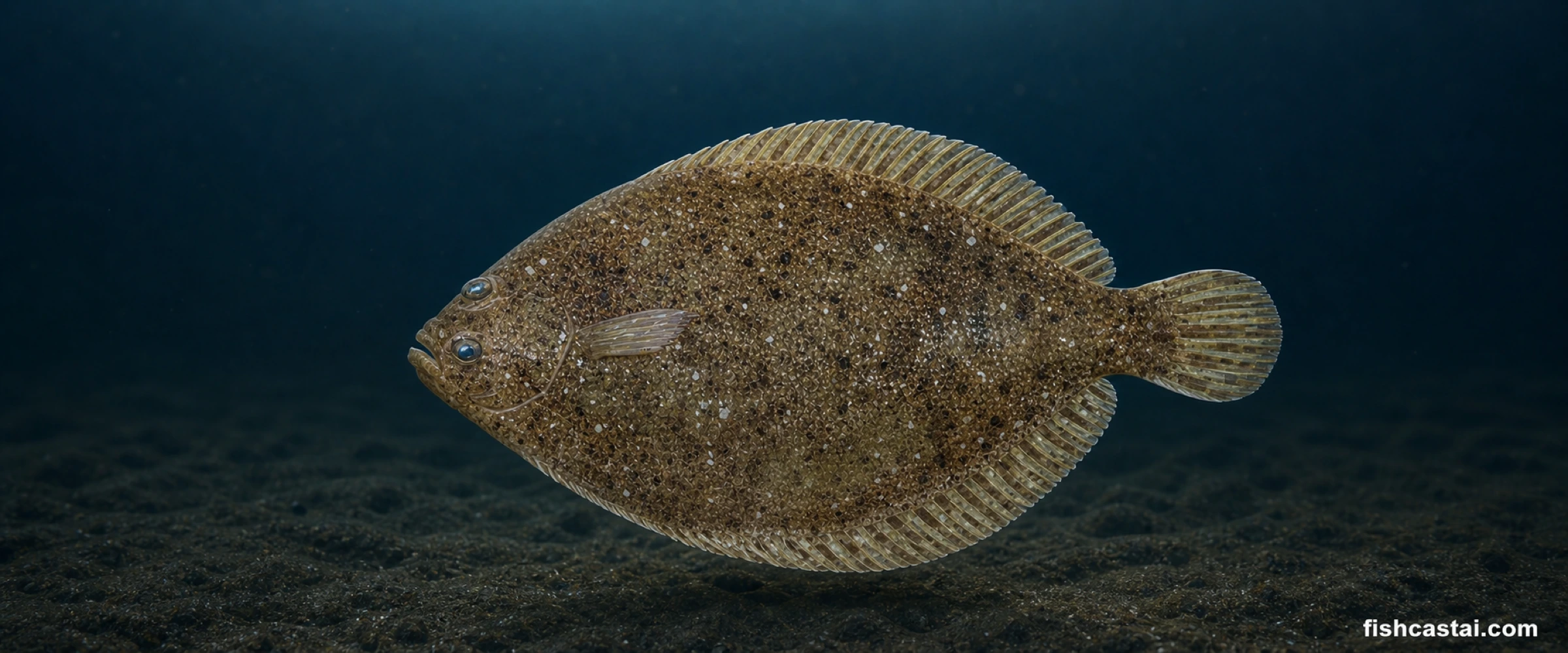
Paralichthys dentatus
Also known as: Fluke, Northern fluke, Flounder
Virginia quick take
Virginia fluke reward anglers who move between shallow coastal bays and the heavier bay-mouth structure as current and season reposition the fish.
Max Length
94cm
Typical trophy size
Max Weight
12kg
Record class
Water Temp
57–79°F
Preferred range
Difficulty
3/5
Skill level
How to catch Summer Flounder in Virginia
Virginia fluke reward anglers who move between shallow coastal bays and the heavier bay-mouth structure as current and season reposition the fish.
Where to fish for Summer Flounder in Virginia
Target Eastern Shore channels, seaside inlets, the Chesapeake Bay mouth, Bay Bridge-Tunnel structure, and nearby shoals.
Focus on sand edges next to bridge pilings, channel walls, and inlet current seams that concentrate bait.
Check nearshore ocean structure when summer heat pushes larger fish off the easier shallow drifts.
How to work the pattern in Virginia
Use heavier bucktails or three-way rigs to stay on bottom when current around the bay mouth gets too fast for a light jig.
Drag strip baits and scented trailers slowly along the first drop instead of hopping too aggressively over the edge.
Shift from shallow bays to deeper tunnel or inlet structure when warming water spreads the bait and the inside bite fades.
Seasonal behavior in Virginia
Virginia fish enter shallow coastal water through spring, but the state's deeper bay-mouth structure can hold quality fluke even after the first wave spreads out. Summer often improves the Chesapeake Bay mouth and Bay Bridge-Tunnel pattern because bait stacks along stronger current edges while some fish remain in the seaside channels. Fall keeps fish available in both zones longer than farther north, yet they still stage deeper and more seaward before the offshore spawning migration. Winter removes the inshore bite because the stock is back in offshore water rather than the bays and tunnel approaches.