 FishCast AI
Rainbow Trout
Oncorhynchus mykiss
Also known as: rainbow trout, steelhead, rainbow
Fish the coldest, most oxygen-rich water available, then cover depth with spinners, spoons, bait, or flies until trout show the lane.
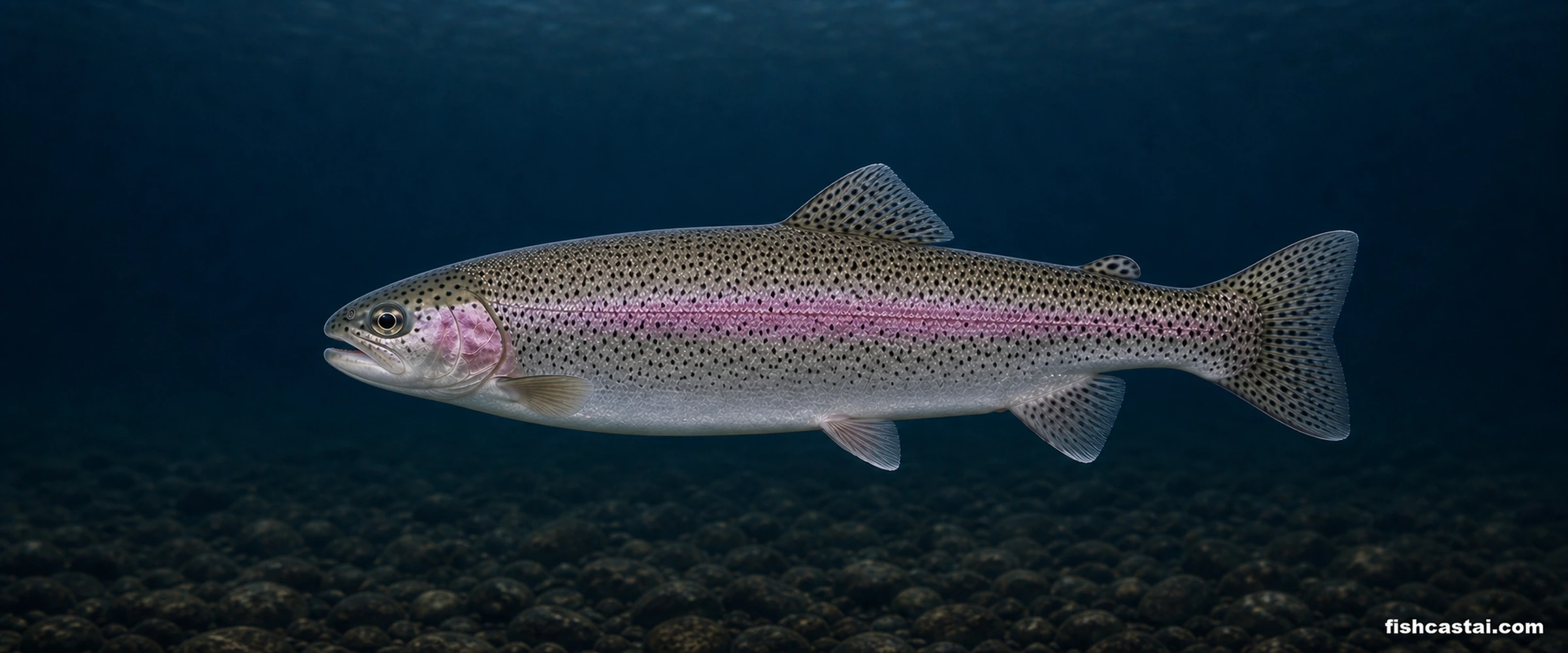
Max Length
120cm
Typical trophy size
Max Weight
25.4kg
Record class
Water Temp
45–64°F
Preferred range
Difficulty
2/5
Skill level
How to catch Rainbow Trout
Best timing
Focus on spring stockings, cool summer mornings, fall feeding windows, and winter tailwater periods when water stays cold and clean.
Cold water · stocking pulse · low light · tailwater flow
Best methods
Inline spinners, spoons, flies, eggs, worms, and micro-jigs cover the most reliable rainbow-trout patterns in streams and lakes.
Spinner · spoon · fly · bait
Best presentation
Match drift speed to current, keep hardware small and clean, and change depth often in lakes until trout show the active band.
Natural drift · small hardware · depth change · cold water
Where they hold
Look for riffle runs, seams, tailouts, springs, inlets, deep pools, and cold-water dropoffs with good oxygen.
Runs and seams · springs · inlets · cold refuge
Where to fish for Rainbow Trout
Use state guides to narrow the pattern before checking forecast conditions.
California supports both famous wild rainbow water and an enormous stocked trout culture, with productive fisheries ranging from spring creeks to Sierra lakes and tailwaters.
California’s trout identity is split between technical wild-rainbow systems such as Hat Creek, Fall River, and the McCloud drainage and the broader stillwater and put-and-take fishery spread through mountain lakes and reservoirs. The strongest resident-rainbow patterns revolve around cold clear streams, consistent insect life, and tailwater or spring-fed stability, while stocked fisheries reward mobile coverage and bait, lure, or indicator tactics matched to recent plants.
View state guideColorado rainbows are defined by cold tailwaters, major rivers, and high-elevation stillwaters where flow stability and insect life keep fish active across long seasons.
Colorado Parks and Wildlife’s trout systems center on tailwaters and dam-controlled rivers such as the South Platte and Arkansas, where rainbow trout hold in cold oxygen-rich water through heat and winter alike. The cleanest state pattern is technical but dependable: fish seam water, riffle tails, and deep runs with nymphs, midges, and small streamers, then shift to lakes and reservoirs when summer crowds or runoff limit moving-water options.
View state guideOregon offers both wild redside trout and widespread stocked rainbow opportunities, with river and stillwater patterns split cleanly by region and season.
Oregon’s best-known resident rainbow fisheries revolve around the Deschutes and similar rivers where wild redsides hold in riffles, boulder water, and insect-rich tailouts. The state also maintains a broad stocking program in lakes and accessible streams, so anglers can either chase technical wild fish in moving water or cover more forgiving stillwater and community fisheries depending on season and goal.
View state guideMontana’s rainbow trout fishing is built around major western rivers and tailwaters where clean current, insect hatches, and broad public access keep fishable water on the map all season.
Montana’s trout culture is heavily river-based, and rainbow trout remain a major part of the state’s moving-water identity alongside browns and cutthroats. The Missouri below Holter, the Madison system, and other famous rivers all fit the same high-value formula: stable cold water, insect-rich seams, and enough current variation that rainbows can shift between riffles, runs, and deeper holding slots without leaving the system.
View state guideNew York’s rainbow trout opportunities combine stocked streams and lakes with stronger holdover or wild fish in cold rivers, Finger Lakes tributaries, and Great Lakes-connected systems.
NYSDEC manages rainbow trout broadly through stocking while also maintaining more durable coldwater fisheries in larger rivers and lake tributary systems. That makes New York less of a single-pattern trout state and more of a mixed opportunity state: spring stockings create broad access, while larger rivers, tailwaters, and lake tributaries reward anglers who track flow, temperature, and seasonal bait or insect movement more carefully.
View state guideDistribution
Seasonal behavior
Seasonal movement
Rainbow trout stay spread through runs, tailwaters, and lake edges in spring when temperatures and food are favorable, and stocked fish often roam banks and inlets soon after release. Summer pushes them toward faster current, deeper lake water, springs, and low-light windows whenever surface temperatures rise and dissolved oxygen falls. Fall sharpens the bite again, while winter tailwaters and deeper pools remain dependable if cold water and stable flow hold fish in place.
Preferred habitat
Rainbow trout hold where cold water, oxygen, and food stay together, so the best habitat usually includes riffle runs, seam lines, spring inflow, tailwaters, and deep pools in streams. In lakes and reservoirs they often suspend on a temperature band near inlets, dropoffs, or bait-rich mid-depth structure. Compared with brown trout, they commonly use faster current and more open feeding lanes when the water stays cool enough.
Feeding behavior
Rainbow trout feed on aquatic insects, terrestrials, eggs, crustaceans, and small baitfish, often taking food that drifts naturally through a seam or riffle edge. They also respond well to reaction baits like spinners and spoons when current, stocking pressure, or forage movement keeps them active. Their strongest feeding windows usually come in cool water, around bug activity, or whenever fresh current and oxygen concentrate fish in a narrow lane.
What changes the bite
Cold inflow, steady generation, cloud cover, and recent stocking events are the clearest rainbow-trout bite triggers. Rising summer temperatures and falling oxygen shrink the feeding window fast and push fish toward depth, springs, and early-morning periods. In clear streams, a clean drift often matters more than changing bait color or size repeatedly.