 FishCast AI
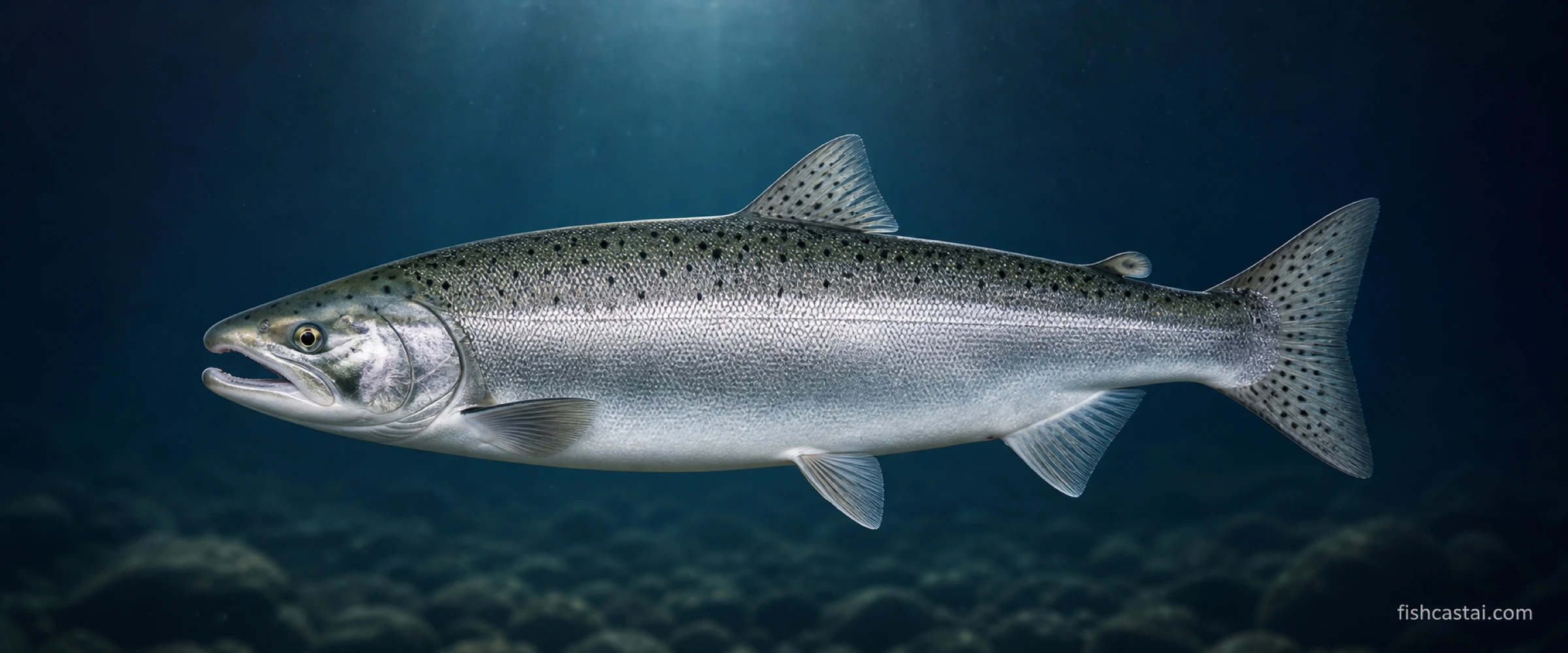
Coho Salmon
Oncorhynchus kisutch
Also known as: silver salmon, coho, silvers
Target the newest push of bright fish and keep the presentation moving through tidewater, estuary, or lower-river travel lanes. Coho usually reward speed, visibility, and current changes more than a slow dead-drift approach.
Max Length
108cm
Typical trophy size
Max Weight
16kg
Record class
Water Temp
46–61°F
Preferred range
Difficulty
3/5
Skill level
How to catch Coho Salmon
Best timing
Fish late-summer and fall run pulses, especially after cool rain, tide pushes, or fresh arrivals stack in estuaries and lower-river holding water.
Run pulse · cool rain · tidewater · fall push
Best methods
Troll bait, spoons, and flashers in saltwater, then use spinners, twitching jigs, spoons, plugs, or flies in estuary and river travel lanes.
Spoons · jigs · spinners · tidewater trolling
Best presentation
Keep the lure active in soft current seams or above the bait band and cover water until you contact the newest wave of fish.
Active retrieve · soft seam · higher in column · cover water
Where they hold
Focus on bait-rich nearshore water, estuary edges, tidewater slots, tailouts, woody current breaks, and lower-river lanes with fresh fish movement.
Nearshore bait · tidewater slot · tailout · woody edge
Where to fish for Coho Salmon
Use state guides to narrow the pattern before checking forecast conditions.
Alaska coho fishing peaks on late-summer and early-fall runs when bright silver salmon flood tidewater and river systems.
Alaska coho often arrive in big, aggressive pushes that make both saltwater and lower-river fishing excellent in a short window. Because the fish are fresh and the water stays cool, they often respond well to flies, spinners, jigs, and bait-based saltwater presentations.
View state guideWashington coho fishing centers on Puget Sound, coastal estuaries, and lower rivers where fresh fall fish respond to moving lures and changing tide.
Washington coho are classic tidewater and lower-river salmon that often push in on weather and tide shifts. They can be caught in marine staging zones too, but the state really shines when bright fall fish enter estuaries and react to active presentations.
View state guideOregon coho often surge into estuaries and short coastal rivers on cool fall weather, creating high-energy tidewater and lower-river fishing.
Many Oregon coho systems are heavily shaped by rainfall and flow timing, so the best fishing often follows the first meaningful cool-water changes of fall. Estuaries and the lower river can outfish farther-up sections because bright fish are still aggressive there.
View state guideCalifornia coho opportunities are limited and highly regional, but the pattern still revolves around cool-water coastal and estuary windows where fish are freshest.
Where available, California coho are tightly tied to cooler northern coastal systems and highly seasonal water conditions. Anglers need to treat openings and local run status seriously because access, timing, and management can change quickly.
View state guideDistribution
Seasonal behavior
Seasonal movement
Coho salmon track coastal bait until late summer and fall runs push them into estuaries, tidewater, and rivers, often in sharp waves rather than a steady trickle. Fresh fish commonly pause in lower-river and estuary holding water before moving upstream on cooler flow or rising water. Because they react quickly to current and weather changes, one fresh push can reset an entire river pattern overnight.
Preferred habitat
Coho prefer moving, oxygen-rich water that also gives them a soft lane to travel or hold without burning too much energy. In the ocean that means bait lines, tide rips, and contour edges; in freshwater it means tidewater seams, tailouts, woody cover, and travel water beside the main push. The best areas almost always show either visible bait or a clear current break.
Feeding behavior
Coho are more likely than Chinook to chase and slash at a lure, especially in saltwater or soon after entering freshwater. They feed on baitfish and pelagic forage offshore, then shift toward reaction-based strikes in tidewater and rivers. That aggression is why spinners, twitching jigs, spoons, and flies can all be excellent as long as they stay in the active lane.
What changes the bite
Fresh pushes of fish, cooler rain events, moving tide, and visible bait are the biggest coho bite triggers. Warm stagnant conditions tend to slow travel and shorten the aggressive window, especially in smaller river systems. When fish are around but not committing, covering fresh water quickly usually works better than soaking one presentation in place.