 FishCast AI
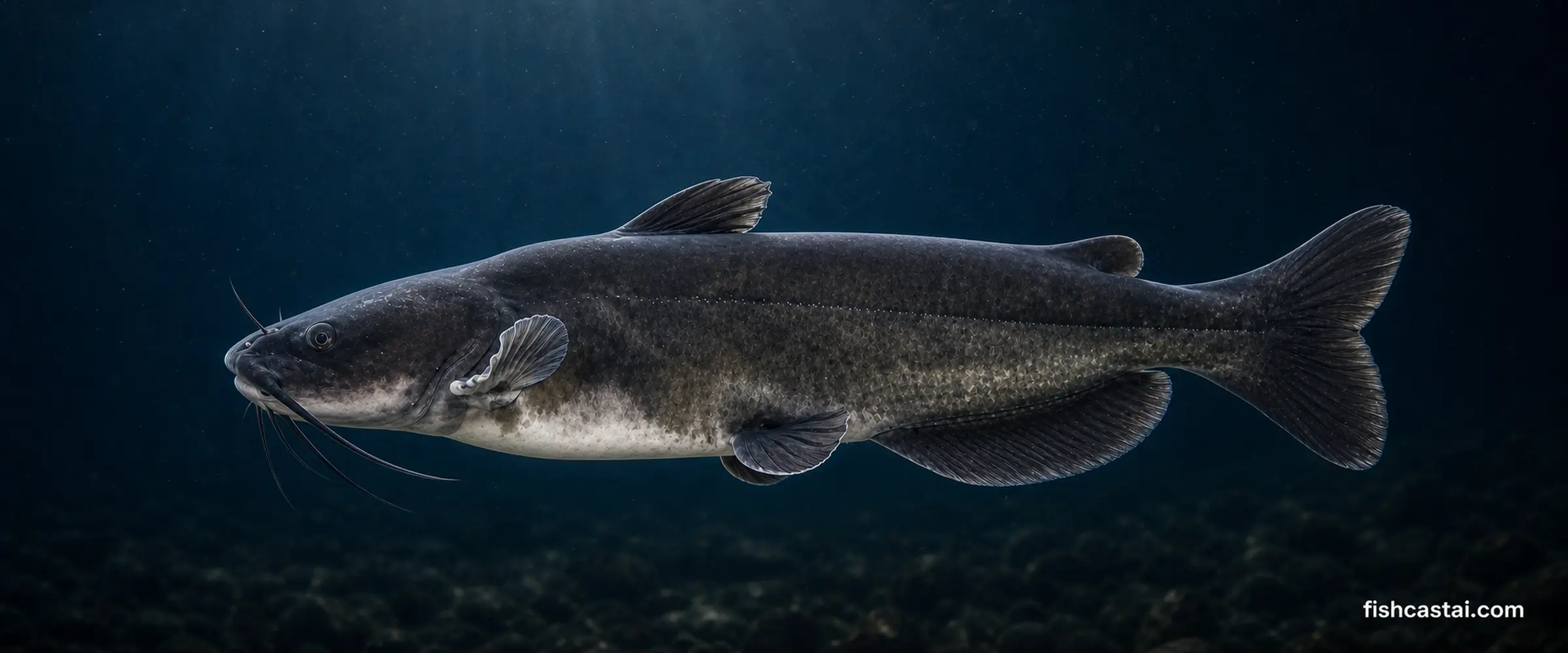
Channel Catfish
Ictalurus punctatus
Also known as: channel catfish, channel cat, catfish
Set baits where current or wind carries scent across a break, give each spot enough soak time to establish a trail, and move once you confirm the lane is dead.
Max Length
132cm
Typical trophy size
Max Weight
26kg
Record class
Water Temp
64–86°F
Preferred range
Difficulty
2/5
Skill level
How to catch Channel Catfish
Best timing
Fish warm evenings, post-rain current, light stain, inflow periods, and summer night windows when channel cats spread across feeding flats and channel edges.
Warm evenings · stained flow · inflow · summer nights
Best methods
Slip-sinker rigs, three-way rigs, float rigs, and simple bank setups with cut bait, worms, dip bait, punch bait, or prepared bait all produce.
Slip sinker · three-way rig · cut bait · prepared bait
Best presentation
Place baits where current can spread scent across the break, fan-cast different distances, and let each bait soak long enough to define the feeding lane.
Scent trail · fan cast · soak time · feeding lane
Where they hold
Focus on outside bends, scour holes, wing dams, riprap, tributary mouths, reservoir channels, wind-blown flats, and tailwater current seams.
Bends and holes · riprap · channel edges · tailwater seams
Where to fish for Channel Catfish
Use state guides to narrow the pattern before checking forecast conditions.
Missouri channel catfish fishing centers on big-river current breaks, wing dikes, reservoir flats, and feeder mouths where scent trails and moving water keep fish active through a long warm season.
Missouri gives channel catfish anglers both classic big-river water and productive reservoirs, so the state pattern is broader than a single riverbank bite. On the Missouri and Mississippi systems, fish stack around wing dikes, scour holes, outside bends, and current seams. On reservoirs and smaller impoundments, the best action comes from flats, riprap, creek mouths, and old-channel edges once warming water pushes fish into feeding lanes.
View state guideTexas channel catfish stay available across reservoirs, rivers, and community lakes because long warm seasons keep feeding windows open well beyond the traditional northern spring peak.
Texas is a high-volume channel catfish state built around reservoirs, river bends, tailwaters, and stocked urban waters. The pattern is extended by climate: fish remain active through long warm stretches, often feeding shallow early and late, then sliding to channel edges, bridge shade, and deeper cover under bright heat. Wind, inflow, and stained water regularly improve the bite on large reservoirs.
View state guideKansas channel catfish thrive in reservoirs, rivers, and community fisheries where warming prairie water, wind, and inflow create reliable feeding lanes from spring through fall.
Kansas offers a strong mix of reservoir and river channel catfish water, from large impoundments to smaller state-fishing lakes and urban fisheries. The best statewide pattern stays simple: fish points, flats, creek arms, riprap, and old-channel breaks after spring warming, then stay with wind-blown or current-fed structure through summer. Because many Kansas waters are fertile and lightly current-driven, wind direction matters almost as much as river flow.
View state guideTennessee channel catfish fishing is driven by river-reservoir systems where current, ledges, and tributary mouths keep fish spread but patternable across warm months.
Tennessee’s major reservoirs and rivers create a classic ledge-and-current channel catfish fishery. Fish use tailwaters, river channels, riprap, flats, and tributary mouths, then shift slightly deeper or tighter to structure under bright summer conditions. Because Tennessee waters often carry generation flow, the best bite frequently lines up with moving water more than with the clock alone.
View state guideDistribution
Seasonal behavior
Seasonal movement
Channel catfish winter in deeper holes, slower bends, and reservoir channels, then spread toward flats, riprap, tributary mouths, and feeding shelves as temperatures rise into the upper teens Celsius. Late spring and early summer bring spawning and heavy post-spawn feeding around cavities, wood, and rock, followed by the classic summer pattern of night movement onto flats and current-washed structure. Fall fish feed hard on channels and creek mouths before retreating toward deeper winter water.
Preferred habitat
Channel catfish prefer rivers and reservoirs with moderate current, soft bottom, and structure that funnels forage and scent. Outside bends, riprap banks, humps, wing dams, creek mouths, tailraces, and flats next to the main channel all concentrate fish. In still water they usually stay closest to the old river channel or any wind-driven shoreline that pushes food into shallow range after dark.
Feeding behavior
Channel catfish feed heavily on scent-based forage such as shad pieces, dead bait, insects, crayfish, mussels, worms, and prepared baits that disperse odor through the water column. They often roam predictable travel lanes along breaks, making multiple hookups possible once bait is set on the right seam or flat edge. Warm stained water, wind, and fresh inflow expand feeding windows, while bright calm conditions can pull the bite closer to depth or darkness.
What changes the bite
Warm rising water, slight stain, current generation, and post-rain inflow are the clearest channel catfish bite triggers because they move food and spread scent. If water clears or current dies, fish often stay present but pull tighter to channel edges, holes, or the deepest nearby cover and feed best after dark. When you mark fish or know they are present without bites, the correction is usually fresher bait or a better position in the scent lane rather than a bigger rig.